IT-Trends
Sustainability in IT: Efficiency and Responsibility in Perfect Balance
Sustainability in IT combines efficiency with responsibility and transparency, creating a future-proof technology indust…
China is taking a new approach to its technology policy: Foreign hardware and software, including products from AMD, Intel and Microsoft, are being banned from government computers.
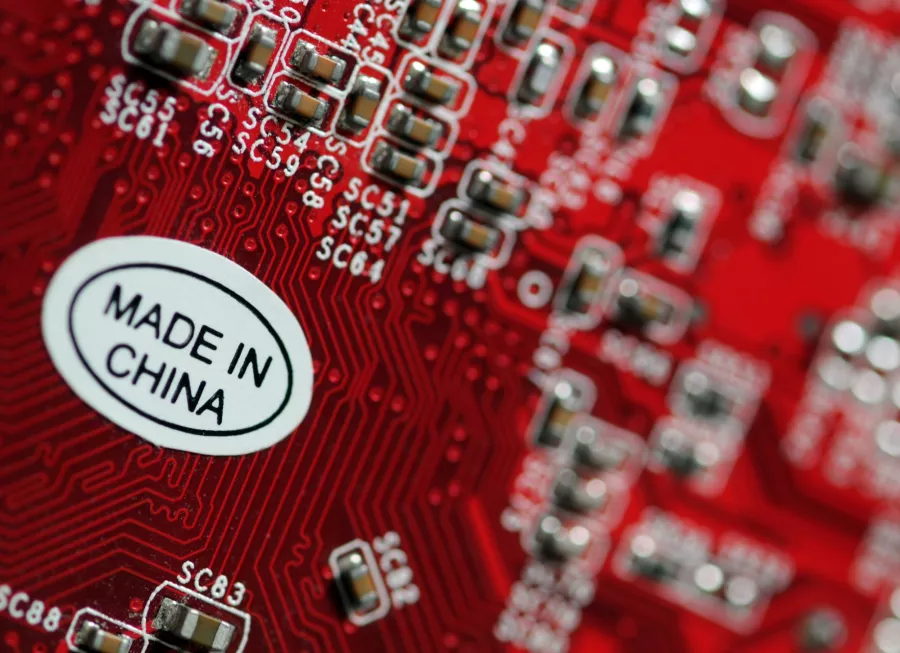
In an extraordinary move to strengthen the domestic technology industry and increase data security, the Chinese government has decided to ban foreign hardware and software from government computers. This particularly affects products from world-renowned giants such as AMD, Intel and Microsoft. The aim of this measure is, on the one hand, to reduce dependence on foreign technology. At the same time, local manufacturers are to be promoted.
A report by the Financial Times reveals: China is turning to its own secure technologies. This far-reaching step does not only include the work computers of civil servants. It also extends to the servers used by government departments above the municipal level. The message behind this is clear: Strengthening national security and technology independence. China strives for technological Independence
This decision could have a significant impact on the global technology market. AMD, Intel and Microsoft are among the world’s leading providers of hardware and software. Exclusion from a market as large as China could not only lead to financial losses, but also shift the balance of power in the global technology industry.
To facilitate the implementation of this new directive, lists of CPUs, operating systems and centralized databases classified as “secure and reliable” have been published, as reported by Reuters. Interestingly, all of the technologies listed are from Chinese companies. This underlines China’s ambitions to turn its local technology industry into a global power.
In response to inquiries from international news agencies such as Reuters and the Financial Times, the Chinese government and the hardware manufacturers concerned have not yet commented. This lack of communication raises questions about the potential long-term impact of this decision on international business and diplomatic relations.
China’s decision to switch to domestic technologies marks a significant step towards technological self-reliance. It could serve as a model for other countries looking to strengthen their national security and local industries. It remains to be seen how this decision will affect the companies concerned and the global technology landscape.
Source: heise online

Sustainability in IT combines efficiency with responsibility and transparency, creating a future-proof technology indust…
Edge Computing enables faster data processing directly at the source, reduces latency, and enhances data protection.

Quantum computing is revolutionizing the IT world while simultaneously posing new challenges to our security.
Sign up and receive €200 credit at centron within your first 60 days.
This promotional offer applies to new accounts only. Available exclusively to businesses.